Showing posts sorted by relevance for query inventory. Sort by date Show all posts

Monday, June 25, 2012

Taking Inventory

Before the summer canning frenzy really begins, I take inventory of what we used and what we have left.  This helps me determine what I want to put up this year and what we need more or less of based on how much we used. 

The What's Been Preserved 2011 box on the side of the blog indicates what I put up last year, mostly during the summer months.  Here is what is left from that supply...

Canned: 
My pie safe now-  it was full and I was using a separate
kitchen cabinet for overflow (which is now empty).
4 pints spiced apples
1 half pint apple butter
3 pints pickled pears
1 pint peaches in syrup
2 quarts peach pie filling
3 half pints muscadine jelly
5 pints applesauce
5 pints pickled beets
3 half pints chow chow
1 pint quick pickles
1 pint watermelon rind pickles
2 pints salsa verde

My deep freezer which was full to the top is now
relatively empty except for a few things.
Frozen: 
1 pint zucchini
6 ears corn on the cob
1 quart tomato soup
5 quarts field peas

It is very helpful to take inventory like this.  It enables me to see what we ate a lot of throughout the year and what we didn't use as much.  It is interesting that we used most of our frozen food supply but have more canned items left.  Most of our frozen foods were items we used regularly at dinner whereas many of our canned items were condiments or once-in-a-while foods.  The canned items we used most often were those which could be eaten straight from the jar without having to be paired with other foods (i.e. peaches in syrup, pickles). 

I try to use frozen foods, canned tomatoes, and fruits in syrup within the year.  Items that are pickled or jams/jellies can go a little longer.  I think a two year span is reasonable for those.  That means that I will not make things like chow chow, pickled pears, or pickled beets this year unless I just feel a great urge to do so (which I seriously doubt will happen). 

What we did learn after taking inventory and looking back at our original preserving list is that we really need to put up more of some foods.  The foods we used frequently and ran out of before we would have liked were:

pasta sauce
basic tomato sauce
corn off the cob
green beans
salsa (tomato based)
peaches (both canned and frozen)
pickles (sweet and dill)

I spent yesterday focusing on the green beans on that list.  I froze 11 quarts which is four more than last year, and my beans are still producing abundantly in the garden, so there will likely be more.  I am also in the process of making pickles.  I will post about both of these very soon. 

So, whether you can a little or a lot, an inventory is beneficial in helping you make sure you have enough but not too much of a good thing.  It is also really rewarding to look back at everything you put up and realize that a great deal of it was used.  It makes you realize that all of your hard work was appreciated. 


Saturday, June 15, 2013

Taking Inventory of 2012

Well, it's that time again. Time to take inventory of what is left from the foods put up last summer.  This is one of those things that is not necessarily fun but is important since otherwise we will end up with too much or too little of something which can mean a waste of money and food. 

As you can see, we went through most of what I made.  I did take a few jars of jams and pickles to work to sell when I realized we would not make it all the way through the batch, but I tried to limit what I took to no more than two jars from the batch.  That was a good way to recoup the money spent on jars and ingredients.  


So, here is what is left from 2012:  

3 quarts collards, frozen
3 quarts green beans, frozen
6 bags corn on cob, frozen (12 ears total)
1 jar jalapeno jelly (half-pint)
2 jars fig preserves (half-pints)
2 jars pear cranberry conserve (half-pints)
1 pint roasted salsa verde
2 jars chile garlic dills
5 jars roasted garlic pasta sauce
4 quarts peaches, frozen
2 pints zucchini, frozen
4 pints shredded summer squash, frozen


Taking inventory helps me see what we really liked using and what we didn't. This year when making my preserving list (which I did a few nights ago) I was able to see which quantities I needed to remain the same as well as which needed to increase/decrease.  


Here is what we really used/liked this year: 

corn, corn, corn (I will be putting up the same amount- 2 bushels)
crushed tomatoes (we ran out of these early- may double the batch)
roasted salsa verde (need same amount)
tomato soup (need same or more)
zucchini/frozen corn mix (enjoyed using in Chicken and Veg Tostadas)
frozen carrots (may try pressure canning if I can get them cheap)
pickled jalapenos (especially on Nachos Grandes)
chile garlic dills (we liked these better than other quick pickles)
dilly beans

Here is what we don't need as much of:

frozen peaches
frozen collards
shredded yellow squash

In addition, there are several items that I only make every other year.  For example, we don't eat that much jam or fruit butter, so I don't really need to make each variety every single year.  This year we are finally out of pickled beets from 2011 and apple butter, so those will be on my list in the fall.  

Let the summer begin!    

Friday, August 30, 2013

Speckled Limas Beans

Have you ever ended up buying and going home with something you really shouldn't have?  I have...many times.   


The other day I was walking up to pay for my basket of produce at the farmers market, not intending to preserve anything that week, when a basket of speckled lima beans caught my eye.  Having never put up lima beans and noticing that they had a pretty low price tag, I snapped up a half bushel, not really knowing how I would use them or if we would enjoy them this winter.  I just couldn't help myself.  I think it had something to do with the fact that they were purple and polka-dotty. 


At first I regretted buying them because they meant so much work.  Shelling, washing, sorting, and blanching take time, you know?  But the more I think about it, the more I wonder why I have never frozen limas before, and to be honest, they really weren't that much trouble to put up in the first place.  Now, I'm excited to use them in soups throughout the winter, and I imagine I will be able to cook them the same way I do field peas.


So, this year we'll be eating frozen limas, and we'll see, come inventory time, how much we really enjoyed them.  You never know, it may just start a new tradition.  

By the way, that same shopping trip also ended up with me buying another 25 pounds of Roma tomatoes, which I truly did regret and ended up crushing and canning just so I wouldn't have to think about them anymore.  I will use them, I'm sure, but that was just a case of my eyes being bigger than my canning stamina.  

Freezing Speckled Lima Beans- 1/2 bushel makes 6-7 quarts frozen beans

A half bushel (15 pounds unshelled limas) ended up giving me 6 1/2 quarts of frozen beans.  The speckled beans do lose some of their color and detail upon blanching, but they remain pretty none the less. They do require several rounds of washing to get them really clean and free of debris.  Do not skip this step.  Otherwise you will be eating dirt (yuck!).  

1/2 bushel unshelled lima beans
boiling water
ice bath

Shell the beans and wash them thoroughly.  Drain the beans and wash again as needed, until the beans are free of debris.  Place the beans, in batches, in a large pot of boiling water.  Blanch the beans for 3 minutes.  Remove the beans with a slotted spoon or mesh strainer, and place the beans in an ice bath to cool.  Once cooled completely, drain the beans and place in freezer bags leaving 1/2 inch headspace. Label and freeze for later use.     


Tuesday, August 6, 2013

Small Batches: Cucumbers, Peaches, and Figs

There aren't a lot of new canning recipes being made around here this year.  Like most people, we have our favorites, and those are the ones we tend to spend more time making.  We are also doing more small batch canning this season as we are getting produce little by little in many cases.  So, I have a few reminders for you about recipes we enjoy, and I do have a new one for you from the Better Homes and Gardens Canning magazine I purchased last year.  

Quick Dill Pickles with Garlic and Chile (slices above and spears below)
If you are looking for a great dill pickle recipe to use with all the cucumbers coming in right now, these Quick Dill Pickles with Garlic and Chile are great.  Actually, they are our favorite quick pickle to make around here and the one we focused on this year.  I made 7 pints (it would have been 8, but one jar broke in the canner) of dill slices using this recipe.  I also made 3 quarts of these pickles sliced into spears because sometimes it is nice to have pickles cut into spears for serving alongside sandwiches.  


I usually make Seven Day Sweet Pickle Chips also, but this year decided not to go this route.  I may regret it come winter, but I wanted to try a traditional bread and butter pickle to use in potato and chicken salad and on sandwiches.  I only made a small batch just to see how they were, and they are tasty.  They are not as crunchy as the Seven Day pickles, but they have a sweet flavor.  One thing about them is that they have onions pickled in the same jar, and the onions are nice additions to many of the same dishes the pickles go into.  


Bread and Butter Pickles
As for peaches, after taking inventory this year, I realized we still had several bags of frozen peaches in the freezer.  They will still be okay for most desserts, so I didn't want to put up too many peaches this year.  I did purchase a half peck of peaches from a local orchard, but they were a variety best for canning or eating fresh (not freezing), so we ate what we wanted and canned the rest as peach halves for which I used the recipe/method on National Center for Home Food Preservation.  The ones we had left gave me 4 pint jars in light syrup.  If I get my hands on anymore freestone peaches, I may can a few more pints, but I am happy with this and what is left from last year.  


Peach halves in light syrup with fig preserves in background

We also put up 2 pints Old Fashioned Fig Preserves using figs from my mom's tree, and we'll put up more if we get more figs from her.  Along with the figs we put up 5 quarts frozen blueberries which is a little more than most years, so when the peaches run out, we will always have berries to fall back on.  

The cucumbers are still coming in the from the garden (several pounds every couple of days), so more pickles (maybe fermented) may be in the future.  In the meantime, I am enjoying relaxing during these last days of summer break and waiting, quite impatiently, for the chickens to lay their first eggs.  

Bread and Butter Pickles- makes approximately 7 pints

This recipe comes from Better Homes and Gardens Canning published in 2012.  They now have a entire book using some of the recipes from the magazine.  I only made about half the recipe. 

16 cups (approximately 6 pounds) pickling cucumbers, sliced
8 medium white onions, sliced
1/3 cup pickling or kosher salt
3 cloves garlic, halved
crushed ice
4 cups sugar
3 cups apple cider vinegar
2 Tbsp mustard seeds
1 1/2 tsp ground tumeric
1 1/2 tsp celery seeds

Prepare boiling water canner.  Prepare jars, lids, and rings.  

In a nonreactive pot, combine the cucumbers, onions, salt, and garlic.  Cover with about 2 inches of ice, and chill in refrigerator for 3 to 12 hours.  Remove any ice from pot.  Drain cucumber mixture and discard garlic.  

In the same pot, combine the sugar, vinegar, mustard seeds, tumeric, and celery seeds.  Bring to boiling and stir to dissolve sugar.  Add cucumber mixture.  Return to boiling and remove pot from the heat.  

Pack hot cucumber mixture and liquid into hot, sterilized jars leaving 1/2 inch headspace.  Wipe jar rims and top with lids and rings.  Process jars in boiling water canner for 10 minutes.  Remove jars to a clean towel and let sit overnight before labeling and storing.  

Printable Version


Tuesday, June 18, 2013

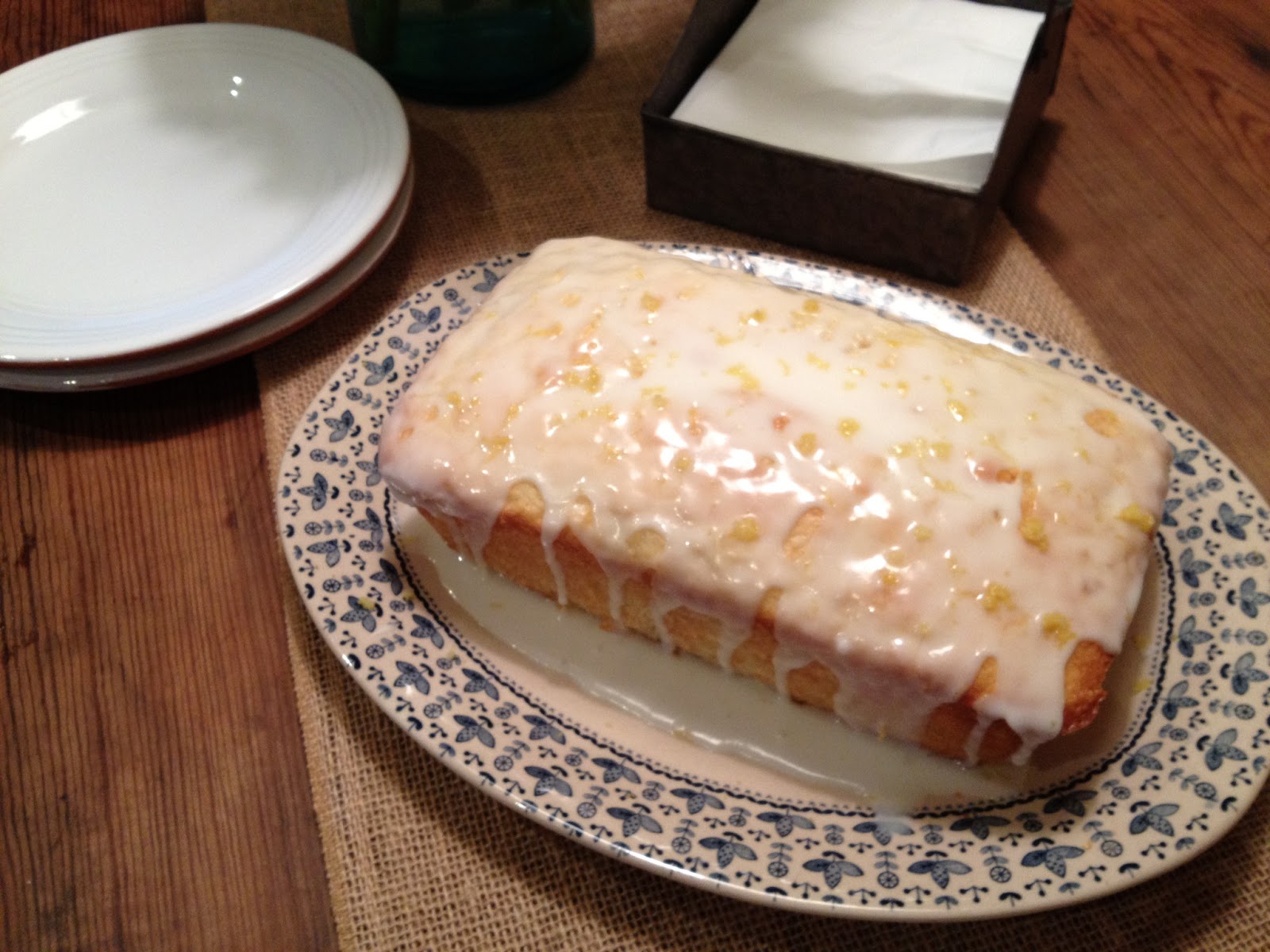
Using What's Been Put Up: Lemon-Squash Loaf with Lemon Glaze

Taking inventory helps you see what you need to use before preserving season gets into full swing.  One thing that jumped out at me that needed to be used was frozen shredded yellow summer squash.  Actually I wondered why I had even frozen squash that way until I was cleaning off one of my Pinterest boards and saw this pinned there.  It all made sense.  Last summer we had tried and loved this delicious and easy to make lemon loaf which is kept moist by the addition of shredded squash.  Since we enjoyed it so much I had frozen some of our squash from the garden to use in it throughout the winter.  


Well, as often happens we did not actually make it again as I intended.  So, with it back in the forefront of my mind I made it again.  And you know what?  It was as delicious as it was the first time which is why I am now going to add it here.  You see, if I post about it, I will be much less likely to forget it and much more likely to make it again.  That's just how it works around here. 


I must say that this is not my recipe.  It comes from Nancy Creative.  I post it here to have a record of it.  I made the recipe with very few changes, however, I used shredded yellow squash in place of the zucchini (mainly so other picky eaters around here wouldn't know I used squash at all).  By the way, the squash disappears so nicely into the loaf that you can easily disguise it so that little ones and other squash-averse folks will never know what hit them.  

Lemon-Squash Loaf with Lemon Glaze- makes one 9x5 loaf

This loaf cake is moist, tart, and delectable.  It can be served as a light dessert or snack or even as a breakfast cake if you are so inclined. 

For the Loaf: 
2 cups all-purpose flour
2 tsp baking powder
1/2 tsp kosher salt
2 eggs
1/2 cup vegetable oil
2/3 cup granulated sugar
1/2 cup buttermilk
Juice of 1 lemon
Zest of 1 lemon
1 cup grated yellow summer squash (if frozen, drain before using)

For the Lemon Glaze: 
1 cup powdered sugar
Juice of 1 lemon
Zest of 1 lemon


For the Loaf: 
Preheat oven to 350 degrees. Butter and flour a 9×5 loaf pan and set aside.

In large bowl, whisk flour, baking powder, and salt.  In medium bowl, whisk 2 eggs, oil, and sugar. Add the buttermilk, lemon juice, and lemon zest to the wet ingredients. Fold the squash into the wet ingredients and stir until evenly distributed.  Add the wet mixture to the dry ingredients in the large bowl and blend everything together until just combined. 

Pour batter into prepared pan and bake at 350 degrees for 45 minutes, or until toothpick inserted in center comes out clean.  Cool in pan 10 minutes, then remove to a wire rack and cool completely. While loaf is cooling, make the glaze.  

For the Glaze: 
In a small bowl, combine the sugar and lemon juice until blended.  If the glaze is to thick add a few more drops of juice until it is a consistency which can be spooned over the cake.  Once the cake has cooled, spoon the glaze over the top allowing it to drizzle down the sides.  Sprinkle the additional zest over the top to garnish.  

Printable Version

Thursday, February 23, 2012

Old-Time Peach Crumb Pudding

A few days ago I decided it would be a good idea to take inventory of the chest freezer and cabinet where I keep canned goods.  I had begun to notice that the vegetables I froze over the summer were dwindling, and I wanted to take a count of what was left. But in order to do so, I had to move bag after bag of sliced peaches.  I honestly had forgotten that I had frozen that many.  I guess my eyes were bigger than my stomach last summer which led me to purchase and preserve many more than were actually needed.  I decided that I really needed to begin using them so that when peach season rolls around again in a few months, I won't feel guilty purchasing more. 


I wanted something simple and warm, and I wanted it to taste similar to the peach cobbler-like dessert of my childhood.  You know, the one they served in the school cafeteria?  I always loved that dessert because the part of the topping seemed to get all creamy with the gooey peach filling, but the other part of the topping remained crisp.  I decided to make a recipe I have made several times before with fresh peaches but to use frozen instead.  The result was satisfying,  much like that cafeteria dessert I enjoyed as a grade schooler, only better! Taking a bite, especially this time of year, makes me long for summer and for simpler times when all you had to worry about in life was homework and playing outside with friends.  Oh, to be a kid again!

Old-Time Peach Crumb Pudding

This recipe was found in Our State magazine.  It was sent in by a reader named Margie Walker.  I am posting the recipe here, but I have not changed it except to add an additional tablespoon of flour when using frozen peaches.

4 pounds fresh peaches, peeled, cored, sliced (or 1 1/2 quarts frozen peaches)
1 cup granulated sugar
1 1/4 cups flour, sifted (plus an additional tablespoon if using frozen peaches)
1/2 cup butter, cut into small cubes

Preheat oven to 375 degrees. 

Combine 1/2 cup sugar and 3 tablespoons flour (4 tablespoons if using frozen peaches), and mix with the peaches.  Put in a 9 x 13 baking dish.  Mix the remaining sugar and flour. Cut the butter into the flour mixture until it resembles coarse crumbs.  Sprinkle the crumbs over the peaches and bake for 1 hour until lightly browned and crisp on top.  You may need to turn the broiler on long enough for it to brown nicely at the end, just be sure to watch it closely so it does not burn. 


Sunday, June 7, 2015

Canning Inventory 2015


Each year as I can and freeze foods, I keep track of the amounts in a small notebook as well as in the What's Preserved section on the side of my blog.  This is helpful on several levels.  Not only does it make me feel good to see my efforts pan out over the course of the summer, but more importantly, it helps me determine how much of each item we used over the year.  This is very important in helping me determine how much of something I want to put up the next year.  This year, I also started a Harvest section in the same notebook to keep track of how many pounds/pints/quarts/etc. of each item we harvested so we can plan how much to plant next year.  

Zinnias from the garden
Our garden is doing well so far.  Our tomato plants are loaded with unripe tomatoes.  Our squash, zucchini, and cucumbers are already giving us lots of tasty treats, and we harvested our red potatoes last weekend.  I am already freezing zucchini and squash in both shredded and chopped forms, and I am going to make a batch of pickles this week.  The plan is to eat the red potatoes fresh over the next few months, and to pressure can many of the white ones once they are harvested.  

We have a shelf area in our mud room which houses most of our canned goods as well as a small chest freezer in which we store all of our vegetables.  Here's what is left from last year.

Canned Goods: 

  • 2 pt green beans, pressure canned
  • 1 pt pasta sauce
  • 2 pt chili garlic dills pickles
  • 2 pt corn poblano salsa
  • 6 pt crushed tomatoes
  • 4 half-pt Concord grape jam
  • 1 half-pt plus 3 (4 oz) jars peach jam
  • 3 half-pt apple wine jelly 
  • 13 half-pt scuppernong jam
Freezer: 
  • 7 qt blueberries
  • 2 qt whole figs
  • 2 qt blackberries
  • 1 pt pumpkin puree
  • 2 qt shredded zucchini
  • 3 qt crushed tomatoes
  • 1 1/2 qt pesto cubes
  • 2 qt turkey stock
  • 2 pt chicken stock
  • 1 pt pasta sauce
  • 13 pt corn kernels
  • 3 gal whole strawberries
  • 7 qt crowder peas
  • 1 gal plus 1 qt chopped zucchini/squash
Once I have compiled a list like this, I try to analyze it to see what we used and what we didn't.  We didn't use as many berries or crushed tomatoes as we have in the past which means I can get away with putting up less this year.  My list also reminds me that I am much more likely to use things like chicken stock, pasta sauce, and tomatoes when I have canned them rather than frozen them.  I think that is because those are things I tend to reach for at the last minute, and when they are frozen I don't prep them in time.  We also used less corn than in the past, but to be honest the variety we purchased last year wasn't our favorite which I think led to less corn side dishes.  We will try to purchase Silver Queen corn this year which is our favorite.  We also need to find other uses for the scuppernong and muscadine grapes in addition to jam.  We used all of them for jam last year, and even though it was good, we tend to prefer Concord grapes for jam.  We gave some away and ate some, but there has to be another use for the grapes.  We will search for something.  


There were several things that we really ate lots of and need to make more of this year including pasta sauce and salsa (!!!).  We also need to make salsa verde which we didn't make last year but are now out of, and we want to try our hand at pressure canning any potatoes that aren't storage quality so that we can add them to soups, stews, or mash them throughout the winter.  


In addition to all of this, I put up some things we have never put up in the past, and it will be interesting to see how we like them over the course of the year.  I have frozen sugar snap peas, broccoli, and kale so far. 

If you haven't been keeping a canning notebook and list of preserved items, I definitely encourage you to start.  It is most helpful and you will appreciate your efforts so much when you get into the canning mood this summer.  


Wednesday, August 13, 2014

A Week in Review

The summer is drawing to a close for me.  In just four short days I will return to work, and the chores around here will have to be taken care of at night and on weekends.  In the meantime, I'm trying to accomplish as much as possible.  While I haven't canned as much as I usually do due to the craziness of moving, there are still things that we aren't willing to go without all year.  Those are the projects I've focused on over the past few weeks. 

We have put up a variety of canned goods.  Some of them can be seen in the photo below.  I'm still trying to find a good place for my canned goods until we can do some renovating, and I hesitate to even share this photo with you now.  They are being stored on some old shelves in the laundry room (a curtain hides them) as well as in a cabinet in the kitchen until we have a better solution. Included in the picture are jars of (top row from left to right) pressure canned green beans, grape jam, peach jam, and the best canned tomato salsa ever (from Simply Recipes).  The bottom row (from left to right) includes garlic and herb pasta sauce, chile garlic dill pickles, pickled corn/poblano/pinto salsa (from Better Homes and Gardens- I'll post about it once we open it and try it out), crushed tomatoes, and apple wine jelly made using the recipe for muscadine wine jelly but (obviously) using homemade apple wine instead.     


We recently realized that one of the grape vines that the previous owner had intended on cutting down has come back out and is loaded with Concord grapes.  We had to dodge privet bushes and the like to get to them, but we did it and ended up with about ten pounds of ripe grapes.  There are still more on the vine, and we will harvest them when they ripen.  They are absolutely delicious, sweet, a little tart and super juicy.  I used four pounds to make this Concord grape jam which is so much easier (and I think better) than jelly, and my in-laws took home two gallon size bags.   We ended up with eight half-pints of jam which will last us until next fall.  The chickens loved the leftover grape skins.  It's so satisfying making jam with your own fruit.  I usually have to buy grapes from an orchard we visit in the mountains, but not anymore.  


Our project for the weekend is to pick ripe grapes from the muscadine and scuppernong vines.  Those vines are growing together on the same arbor, and unfortunately into a nearby tree (a pruning project for later in the year).  We will pick the ripe ones and figure out what to do with them and leave the rest to ripen over the next few weeks.  I was thinking of making grape pie filling although I'm still not settled on it.  If anyone has any ideas for what to do with them, I'm all ears.  


Over the weekend we will also pick some of the pears off the tree by the chicken coop.  The chickens have been enjoying the ones that fall (which we break open for them).  Not all are ripe, but there are some that are ready, and the squirrels around here don't mind getting to them before us if we dilly dally.  I was walking around the orchard the other day and a freshly half-eaten pear almost hit me on the head when it was dropped from the tree by a squirrel.  They are cute, but they are pesky.  They also break open the walnuts and pecans.  We really hope they save some for us!  I'll be doing some kind of canning project with the pears once we pick them.  I'm considering either pear sauce or canned pear quarters in red hot syrup.  I'll keep you posted on what I decide.  For now, we're enjoying just eating them out of hand.  They are crisp and juicy.  All of the fruit trees and vines on our property have been neglected for years, but now that we own them, we hope to remedy that.  With a good pruning later in the year, we hope all of our trees and vines will be better producers (and be healthier) going into next year.  


I cleaned out the deep freezer and organized it.  It is so frustrating when you don't know how much of something you have and have to dig around to find it.  If I ever buy another freezer, I will go with an upright one rather than a chest freezer to make finding things easier.  In the meantime, I used this handy printable I found online to take inventory of the contents of the deep freezer.  It will allow me to easily cross things out when I use them so I can keep track of what we have.  


So, that's what's been happening around here.  My plan for today (since it's not raining) is to mow and check in on the bees.  There's always something to do around here, and I'm loving it!

Wednesday, January 29, 2014

A Productive Weekend of Real Food


Cold weather means being inside, and being inside can quickly lead to boredom if one doesn't find productive projects to undertake.  On typical weekends, my routine is pretty consistent.  I get up on Saturday morning, go to the farmer's market to get the week's produce and meat supply, and then I go home to clean and do things around the house.  Sundays mean cleaning the chicken coop, messing around in the yard if needed and weather permitting, and doing anything leisurely we decide to do together.  I used to want to be on the go all weekend and got very bored being at home, but the older I get the more I love being home with a list of projects to complete before the work week takes back over and robs me of all freedom and time. 


Last weekend was a very productive weekend for me, and the snow brought in last night has proven to be helpful as well.  Since blogging last, here are some of the projects I have completed.  Of course, since I have been working on these things, there have been no new things to post on, so I will link each project to previous posts and pictures about it.  I was a little slack in taking pictures this time around.   

Friday night I thawed a quart of frozen strawberries from last spring to make a batch of fruit leather.  Strawberry fruit leather is one of our favorites, and during the winter when there are no fresh local fruits available it is one of the things we eat.  When my workplace started a weight loss program pushing increased fruit consumption, I did actually start buying bananas and grapes from the grocery since not many local fruits were available, but I just couldn't continue.  Not only does it go against my goal of eating as locally as possible, I also don't visit the grocery often enough to consistently have these things on hand.  Our grocery visits are usually about three weeks apart since most of the things we purchase from the store are staples like flour, sugar, grains, and beans (things that can be bought in bulk and keep well).  It was one of those personal decisions that I had to make for myself.  I would rather eat less fruit and know where that fruit came from rather than purchase something from South America or Mexico for the sake of so-called "health".  So, dried and frozen fruit are important to us in winter.  I don't mean to sound preachy here.  Each person must do what seems right for their particular situation and set of circumstances.  

Strawberry fruit leather being wrapped in wax paper and tied with baker's twine


Even though we have tried to eat local meals at home in most cases for several years now, one thing I have just recently started buying locally in its entirety and on a regular basis is meat.  I had always purchased some meat at the farmer's market, but for the past several months, we have not purchased any meat at the grocery store.  All of our meat is sourced locally at this point, and it feels great to know that what we are eating was raised humanely and responsibly.  If you are wondering what made me change, it was a combination of things including several books I have been reading (Food Matters by Mark Bittman and Animal, Vegetable, Miracle by Barbara Kingsolver) along with my connections to people at the farmer's market and the increased availability of local, pastured meats in my community.  Also, even though I have obviously known how animals in concentrated animal feeding operations (CAFOs) were raised, I (like so many others out there) tended to push it to the back of my mind when planning meals to save money.  I have now made the conscious decision to bring that knowledge to the forefront of my mind each time I eat which can really make things seem less appetizing.  I'm not saying it's always possible to eat local meat.  Sometimes you are in situations where that is not feasible, but making the effort to do it as much as possible can make a big difference in your personal health and attitude about food.  Also, even though it is more expensive, that just leads us to eat less meat which is also healthful in itself.  Again, I'm not intending to sound preachy, but I think it's important that we know where our food comes from and how it was produced, and I think it's important to keep as many of our food dollars in the local economy as possible rather than spending them to support big industry.  

Our meat/cheese comes from a combination of the following farms/sources: 

Beef/Chicken from Baucom's Best 
Beef from Martins' Charolais Farm
Pork from Grateful Growers
Cheese from Ashe County 
Cheese from Goat Lady Dairy

With that being said, I am trying my hand at producing some of my own cured meats.  I currently have a pork loin curing in the refrigerator which will be similar to Canadian bacon.  When it is finished, I will take pictures and share the results.  

I also used the last of my frozen lard (rendered months ago) to make two batches of pie crusts using this recipe.  The all lard crust was exceptionally flaky, but we did miss some of the buttery flavor of my regular crust.  From now on I will use a combination of lard and butter which I have done in the past and really is the best of both worlds.  Either works well and all freeze beautifully.  One crust went into making a quiche with local breakfast sausage, local cheddar cheese, potatoes from storage, and backyard eggs.  You can't get much better than that.  

Pie crusts ready for the freezer (these are all-butter crusts)

Since I used the rest of the previously rendered lard, I purchased and rendered another 2 pounds in the slow cooker resulting in 2 pint jars for the freezer. 


We were also down to one jar of pickled beets from the year before last, so when I saw beets at the market on Saturday, I purchased enough for a small batch to tide us over until we can grow some.  I cut these into wedges rather than slices, but I used my usual pickled beet recipe.  We got two jars of red pickled beets and two jars of golden pickled beets (which we are excited to try).  


Last but not least, I organized the chest freezer and took an inventory of what remained so I can make sure to use what we have when planning menus for the upcoming weeks.  We still have several bags of lima beans, field peas, green beans (although our stock is low), corn on the cob, corn kernels (only a few bags left), pesto, and roasted tomatoes.  We also have four bags of frozen peaches and one quart of strawberries which will most likely go to make more fruit leather in the very near future. 

All in all, productivity can be very rewarding and in this case will go into making it easier to produce wholesome weeknight meals with real food.